
Zimbabwe’s Lithium Leap Update
Introduction
The successful dispatch of Africa’s first lithium sulphate shipment by Huayou Cobalt represents a transformative moment for Zimbabwe’s industrial landscape. Arriving just two months after authorities suspended raw concentrate exports to curb fiscal leakages, this milestone validates the sovereign’s strategic pivot toward domestic mineral beneficiation.
From a credit perspective, this transition from raw extraction to refined chemical processing is a fundamental shift in Zimbabwe’s economic resilience. By moving up the value chain, the nation is systematically addressing the primary binding constraint on its credit profile: a chronic vulnerability to the boom‑and‑bust cycles of raw commodity prices.
Quantity and Transport
The inaugural shipment from the Arcadia Lithium Project, managed by Zhejiang Huayou Cobalt, represents a proof‑of‑concept for the entire African continent. The first batch originates from a $400 million facility completed in October 2025, which boasts an annual production capacity of 50,000 metric tons of lithium sulphate.
Unlike the raw ore stockpiles that historically congested the Port of Beira in Mozambique, these refined products are high‑value, low‑volume technical chemicals. This allows for more efficient clean transport logistics, reducing the physical burden on the sovereign’s rail and road infrastructure while quadrupling the value‑density per tonne shipped.
Revenue Capture
While corporate profits accrue to investors, Zimbabwe’s policy framework, tightened in April 2026, ensures the state secures meaningful revenue through a carrot and stick approach:
- The Sulphate Incentive: Effective January 2026, the government imposed a 10% export tax on lithium concentrate. However, refined lithium sulphate is completely exempt, incentivising miners to move midstream.
- Hard Currency Buffers: Under the current mandate, miners surrender 30% of foreign currency earnings to the Reserve Bank of Zimbabwe (RBZ). With lithium sulphate commanding prices 2.5x to 3.5x higher than concentrate, the absolute volume of USD/CNY flowing into national reserves is projected to double, providing the essential liquidity needed to stabilise the ZiG, Zimbabwe’s new currency.
Structural Credit Shift
Anchored in SAR’s methodology (10% weight to Natural Resources), this leap de‑risks the sovereign balance sheet in three critical dimensions:
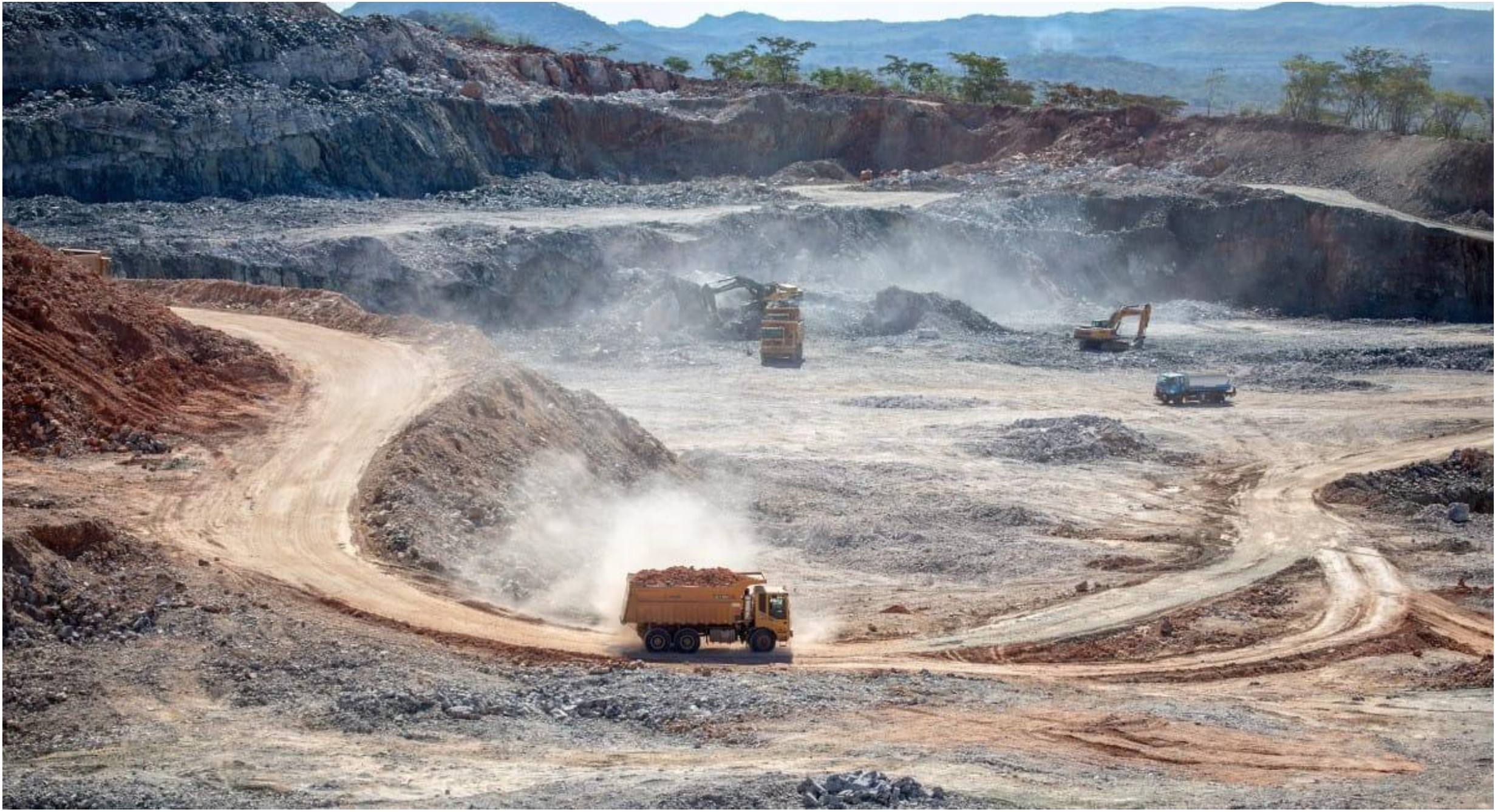
Arcadia Lithium Project, Zimbabwe — midstream beneficiation hub for lithium sulphate.
A. Export Revenue Multiplier
Processing lithium sulphate increases value retention by 600–700% compared to raw ore. By capturing the lithium multiplier domestically, Zimbabwe is transitioning from a price‑taking mineral exporter to a strategic node in the global EV battery supply chain.
B. Fiscal Space and IMF Alignment
As Zimbabwe engages in its 2026 IMF Staff‑Monitored Program, these industrial assets offer a roadmap to lower the Debt‑to‑GDP ratio, currently around 45%, through organic industrial growth rather than fiscal austerity. The $1.4 billion in Chinese investment since 2021 has effectively built a new industrial sector from scratch.
C. Infrastructure De‑risking
The 70 MW solar plant at Arcadia, Africa’s first dedicated industrial solar array for mining, alleviates the sovereign burden for power provision. This off‑grid industrialisation ensures that national utility (ZESA) deficits do not strangle credit‑positive growth.
Conclusion
Zimbabwe’s success acts as a blueprint for the SADC region, shifting the paradigm toward a unified Southern African lithium hub. While regulatory risks associated with the January 2027 total ban on concentrate exports remain a point of monitoring, the successful April 2026 shipment is a fundamental catalyst for sovereign rating stabilisation.
Zimbabwe is no longer just a hole in the ground; it is an international manufacturing player.
0 Article Comments